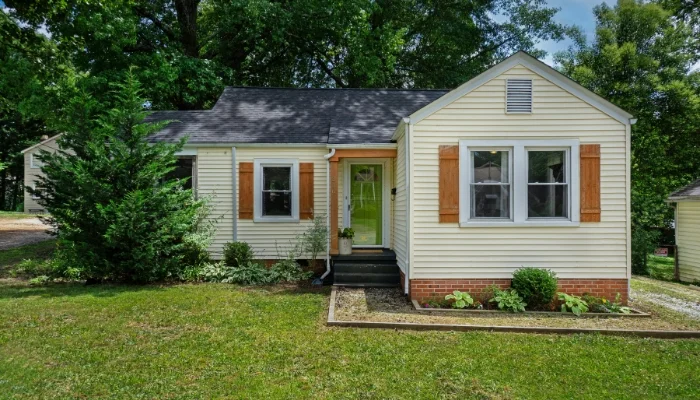
For many veterans, owning a home is the moment stability becomes permanent. VA home loan benefits are one of the most valuable tools veterans earn through their service, and they can make homeownership possible sooner than many people expect. This guide explains how the benefit works and how veterans moving out of supportive or rental housing can prepare.
Key takeaways
- VA-backed loans are made by private lenders and guaranteed by the VA.
- Many eligible borrowers can buy with no down payment and no private mortgage insurance.
- You will need a Certificate of Eligibility (COE) and must meet the lender’s credit and income standards.
How a VA home loan works
The VA does not usually lend money directly. Instead, it guarantees part of a loan made by an approved private lender. Because the VA backs the loan, lenders can offer terms that are often more favorable than conventional mortgages.
Main benefits of a VA loan
- No down payment for many eligible borrowers, as long as the price does not exceed the appraised value.
- No private mortgage insurance (PMI), which can lower the monthly payment.
- Competitive interest rates compared with many other loan types.
- Limits on certain closing costs that veterans can be charged.
Most borrowers pay a one-time VA funding fee, although some veterans, such as many with service-connected disabilities, are exempt. Ask your lender to explain the fee for your situation.
Getting your Certificate of Eligibility
The COE shows lenders that you qualify for the VA home loan benefit based on your service. You can request it through VA.gov, and many lenders can request it for you. Have your DD-214 or other service records ready.
Getting mortgage-ready after renting
- Build steady income history. Lenders like to see consistent employment or reliable benefit income.
- Strengthen your credit. Pay bills on time, reduce balances and dispute errors on your credit reports.
- Save for extra costs. Even with no down payment, you may need money for inspections, moving and an emergency fund.
- Talk to a HUD-approved housing counselor. Free or low-cost counseling can help you understand the process.
From supportive housing to homeownership
Homeownership is a long-term goal, not a first step. Many veterans first stabilize in transitional or supportive housing, then rent independently, and later buy a home. At Operation Veterans Haven, case management and employment assistance help residents build the income and habits that lead to lasting independence.
Frequently asked questions
Can I use my VA loan benefit more than once?
Yes. The benefit can often be reused, and in some cases restored after a loan is paid off. A lender can explain how your remaining entitlement works.
Is there a minimum credit score for a VA loan?
The VA does not set one universal minimum, but individual lenders set their own credit requirements. Shop around and compare lenders.
Can surviving spouses use VA home loan benefits?
Some surviving spouses are eligible. Check eligibility rules on VA.gov or with a veteran service officer.
Rules and fees change over time, so confirm details with the VA and your lender. Want support on the road to independence? Contact Operation Veterans Haven.