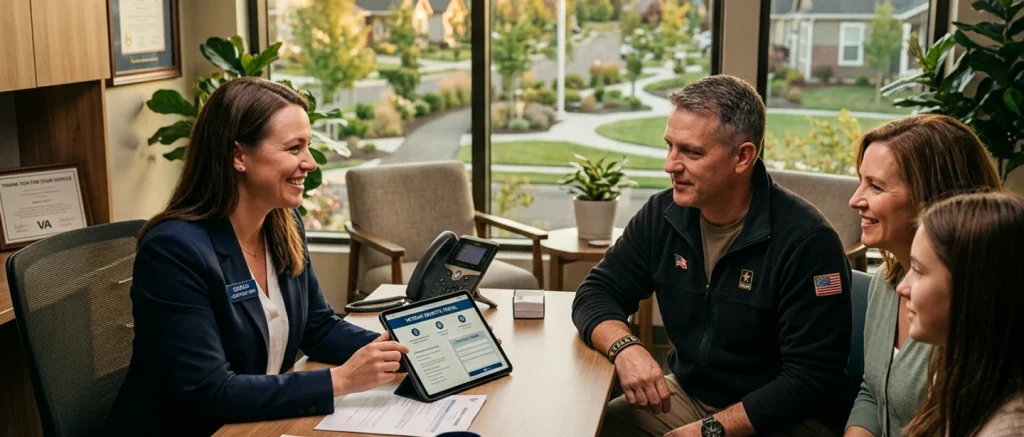
Not every veteran who needs housing help is already living on the street. Many are one missed paycheck away from eviction. The SSVF program, short for Supportive Services for Veteran Families, is a VA grant program designed for exactly this moment. It helps very low-income veteran families stay in their homes or move quickly back into housing.
Key takeaways
- SSVF focuses on homelessness prevention and rapid rehousing.
- Services are delivered by community nonprofits that receive VA grants.
- Help can include case management and short-term financial assistance.
What does SSVF provide?
SSVF grantees work with veteran families to solve the immediate housing problem and build a plan to stay housed. Depending on eligibility and local funding, support can include:
- Case management and housing search assistance
- Temporary financial assistance for things like rent, security deposits, utilities or moving costs
- Help connecting to VA benefits, health care and public benefits
- Referrals for legal, financial planning, child care and transportation services
Who qualifies for SSVF?
SSVF generally serves veterans and their families who are very low income and are either homeless or at imminent risk of losing their housing. Income limits and eligibility rules are set by the program and can vary by area, so the best way to find out is to contact a local SSVF provider or call 877-424-3838.
Prevention vs. rapid rehousing
Prevention helps a family that still has housing but is about to lose it, for example after a job loss or medical emergency. Rapid rehousing helps a family that has already lost housing get back into a home as quickly as possible, usually with short-term rental support and case management.
Warning signs it is time to ask for help
- You received a late rent notice or eviction notice
- Your utilities are about to be shut off
- You are staying temporarily with friends or family and have no plan to move
- A job loss, injury or divorce has suddenly reduced your income
The earlier you ask, the more options you have. Prevention is almost always easier than recovery after an eviction.
How SSVF connects with longer-term support
SSVF is designed to be short-term. For veterans who need more structure, such as support for PTSD, substance use recovery or employment, longer programs like transitional housing and whole-person housing programs can provide the extra time and services needed to build lasting stability.
Frequently asked questions
Do I have to repay SSVF financial assistance?
SSVF temporary financial assistance is not a loan. Amounts and limits depend on program rules and local funding.
Can the National Guard or Reserve members qualify?
Eligibility depends on the definition of veteran status used by the program. Ask an SSVF provider to review your service history.
How do I find an SSVF provider near me?
Call the National Call Center for Homeless Veterans at 877-424-3838 or ask your local VA medical center for the SSVF grantees in your area.
If you or a veteran you know is at risk of losing housing, do not wait. Contact Operation Veterans Haven and we will help you explore your options. Always confirm current SSVF rules with the VA.